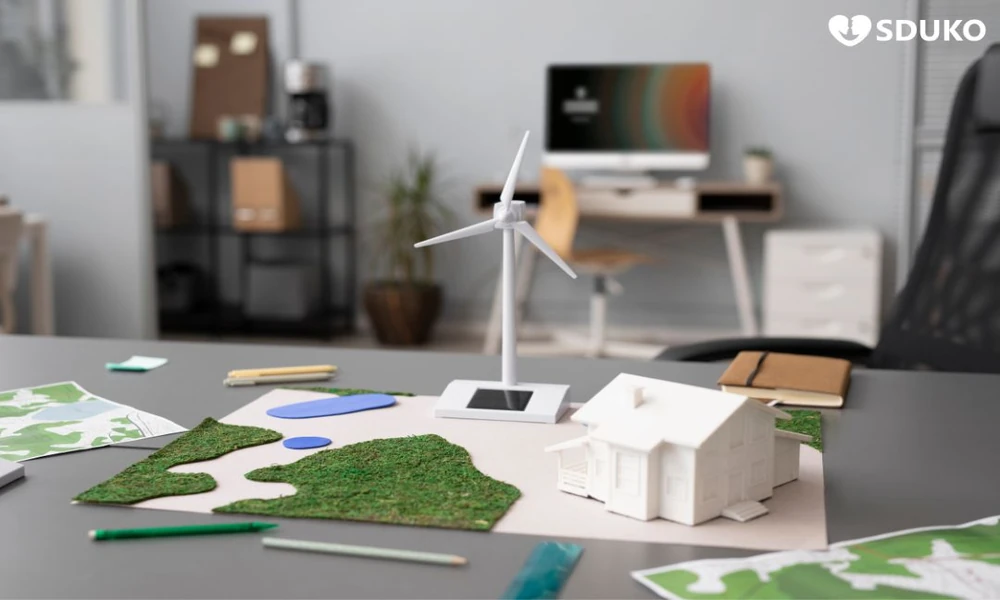

The definition of a house goes beyond merely having walls, ceilings, floors, furniture, and decoration. This is because a house is one’s personal place in which the day-to-day activities are carried out, memorable moments occur, and one finds comfort. The increased knowledge and interest in the environment are influencing the manner in which houses are designed, constructed, and maintained.
Increasingly, there is a desire among homeowners to understand the relationship between what they do and the look of their houses, energy usage, natural resources, and the surrounding environment. Sustainable home design is a way of combining beauty, function, and environmental friendliness. The goal is to help people design houses that look attractive while at the same time using materials, water, energy, and space sensibly.
Where Beauty Meets Responsibility
Design starts with the use of the house. An elaborately decorated room may be visually appealing, but the room must also facilitate what happens in it. Furniture positioning, lighting, ventilation, and storage all affect how well the room functions.
Sustainable design accounts for such considerations from the start. Kolkata call girls interested in eco-friendly living and modern interiors can also appreciate how thoughtful planning improves energy efficiency. Room positioning that takes maximum advantage of sunlight means less reliance on artificial light during the day. Well-placed windows facilitate natural ventilation, and appropriate shading keeps indoor temperatures in check. The idea is to have each design feature fulfill some function. There is no point in decorating a room with useless items.Choosing Materials That Respect the Environment
Materials make up an important part of the environmental effects on your house. Each material has an ecological footprint through its process of manufacture, delivery, and disposal. Whether you install floors, furniture, kitchens, or other finishing materials, everything leaves a mark on the environment.
The use of natural and sustainably sourced materials could be considered an option if chosen properly. Bangalore escorts interested in eco-friendly interiors and sustainable living can explore how responsible material choices contribute to reducing environmental impact. Reused wood, metals, glass, and some types of renewable materials can help minimize the amount of raw materials used. In addition, durable materials could be useful as well since they would require fewer replacements. Nevertheless, not only appearance and materials define sustainability. One should think about origin, manufacturing processes, lifetime, as well as reuse and recyclability of a product.Let the Outdoors Come Inside
Natural light can change the ambience of the home. Natural light can make interior spaces brighter and also highlight the architectural features. With proper placement of windows and skylights, it is possible to introduce natural light into dark interiors.
The nature of natural light will depend on the direction of the house, surrounding buildings, and climatic conditions. Hyderabad escorts interested in home design and sustainable living can explore how these factors influence indoor comfort. Proper window treatments, shading, and careful selection of glass can help to avoid any glare and heating effects. This becomes very important in warm climates where natural light may increase the need for cooling. The ventilation design is as important as the natural light. Properly designed openings can encourage airflow within living spaces.Building a Smarter Home
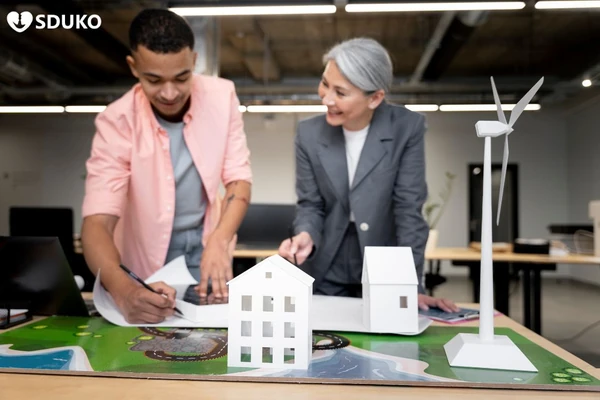
Energy-efficient houses are constructed with the intent of reducing the amount of energy used but at the same time providing adequate living comfort. The sources of energy usage in houses include heating and cooling systems, lighting, and household appliances.
An option to conserve energy in a house is through good insulation practices. This can be achieved by ensuring proper insulation for roofs, walls, and floors, as well as closing any gaps that allow unnecessary flow of air through doors and windows. An efficient light source like LEDs can reduce energy usage more than traditional lighting. When replacing household equipment, energy-efficient devices can be considered by the homeowners.
Final Thoughts:
Home design sustainability refers to making sound decisions aimed at ensuring comfort, practicality, and environmental stewardship. It could be as simple as choosing durable construction materials, enhancing energy efficiency, saving water or decreasing waste in the home.
You don’t have to completely overhaul your property all at once. Start making sound decisions that will be suitable for you and your surrounding environment. It might involve optimizing natural light, replacing inefficient fittings, reusing what you have in the house, or making smarter purchases.