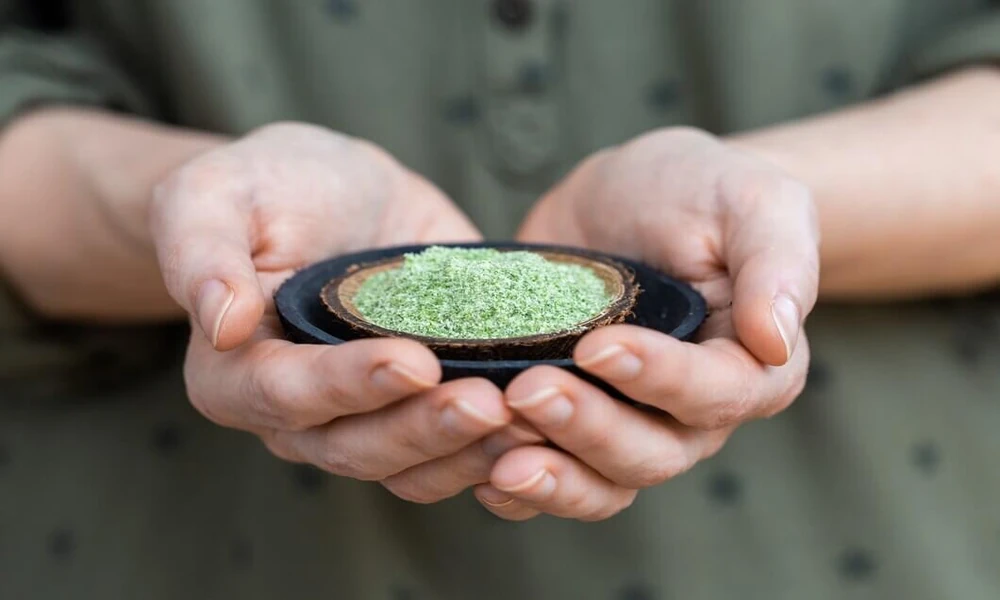

The transparency of sourcing should be more significant than pretty packaging or marketing statements in the selection of botanical products like White Maeng Da. Buyers should know what part(s) of the raw plant material the product has been made from, how it was processed, and if the final product has been independently tested in a laboratory. This information enables consumers to make informed choices on product quality and safety. Also, natural products can have vastly different constituents, and contamination is a critical factor to consider when assessing botanical products, says the National Center for Complementary and Integrative Health (NCCIH).
What can independent lab testing show you?
A good laboratory report, or Certificate of Analysis (COA), can give you lots of information about a particular batch. The best way to ensure top white maeng da kratom is by determining if it has been tested for heavy metals, microorganisms, pesticides and other contaminants in addition to the quality of its appearance and potency. This is important because some kratom products have been found to contain significant amounts of heavy metals, such as lead and nickel, in the FDA lab tests. Testing, therefore, creates an added level of transparency between what a seller says is in the product and what is actually found in it.
It’s time to take microbial
Microorganisms have the potential to contaminate plant-based powders during cultivation, handling, transportation, or processing. Salmonella has been found in kratom products, such as White Maeng Da, in previous FDA investigations. In more recent years, the FDA has issued a 2025 recall for kratom powders due to possible contamination with Salmonella. These results show how important it is to carry out microbial tests and make it clear that they are not a quality “extra” either. A useful COA should also describe the results of the actual testing performed and not just a generic “tested” statement.
Please read the COA before you buy.
The bottom line is that responsible sourcing involves more than just reading labels and hearing what’s being sold. Consumers should check for a recent (less than a month old), batch-specific COA from an independent testing lab and confirm that the product they are buying is from the same lot as the one on the COA. Also, it should be noted that laboratory studies do not prove the medical efficacy or rule out all the potential health risks of top white maeng da kratom. NCCIH points out that there is no standardization of kratom products and limited clinical evidence. If you are thinking of using kratom, especially if you are taking medications or dealing with a medical condition, it is a good idea to consult with a knowledgeable health care provider about the possible risks.