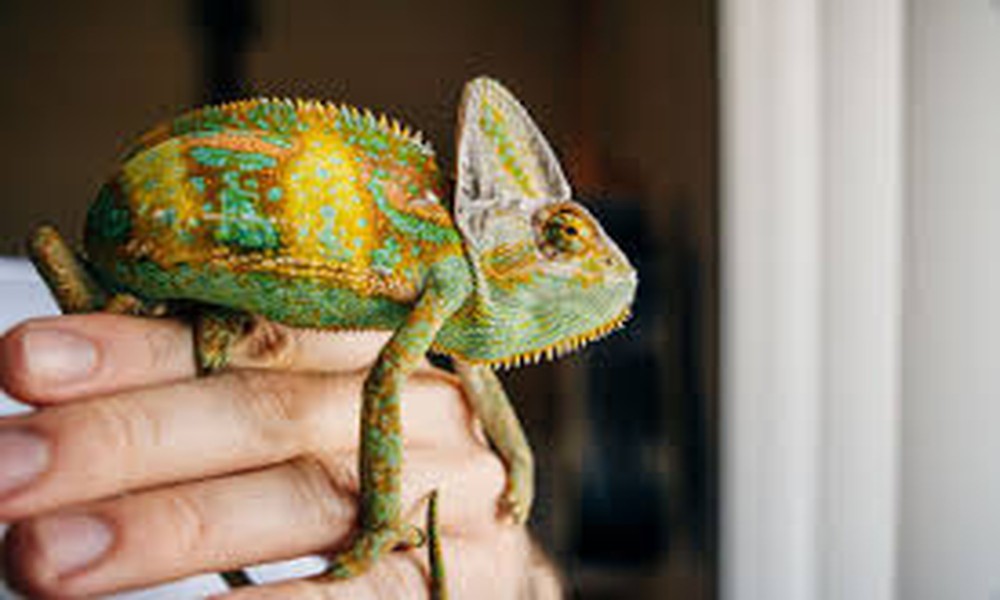

Reptiles don’t get sick the way dogs and cats do. They don’t catch colds from the neighbor’s pet, and they rarely break a leg leaping off the couch. What they do get is slow, steady decline from environments that miss the mark on temperature, lighting, or humidity. By the time symptoms show up, the underlying problem has often been building for months. The exotic pet team at Douglas Animal Hospital sees this pattern over and over, and the good news is that most of these issues are completely preventable once owners understand what their reptile actually needs.
Husbandry is the foundation. Get the habitat right, and you’ve solved 80% of what brings reptiles to the vet.
Temperature Gradients: Not Just a Warm Tank
Reptiles are ectothermic, meaning they regulate body temperature through their environment. A single warm spot isn’t enough. They need a true gradient, with a basking area on one end and a cooler retreat on the other, so they can move between zones to manage digestion, immune function, and energy levels.
Common species and their target temperatures:
- Bearded dragons: basking spot of 95 to 105°F, cool side around 75 to 85°F, nighttime drop to 65 to 75°F.
- Leopard geckos: warm side floor temperature of 88 to 92°F (belly heat is key for digestion), cool side of 70 to 75°F.
- Ball pythons: warm side of 88 to 92°F, cool side of 78 to 80°F, with ambient humidity between 50 and 60%.
Two digital thermometers (one on each side of the enclosure) are non-negotiable. The stick-on analog gauges sold in pet stores are notoriously inaccurate. A temperature gun for spot-checking basking surfaces is one of the best investments a reptile keeper can make.
Heat sources matter too. Heat rocks are a frequent cause of belly burns and should be avoided. Overhead heat from a halogen or ceramic bulb mimics natural sun exposure better and is safer for most species.
UVB Lighting: The Silent Health Factor
Metabolic bone disease (MBD) is one of the most common reptile illnesses we see, and it’s almost entirely tied to inadequate UVB exposure. Without UVB, reptiles can’t synthesize vitamin D3, which means they can’t absorb calcium from food. The result is soft jaws, bent limbs, fractures from minor movement, and tremors. Severe cases can be fatal.
Bearded dragons and other desert species need strong UVB output, typically a T5 high-output linear bulb spanning two-thirds of the enclosure length. Tropical species like crested geckos need lower output but still benefit from UVB. Nocturnal species like ball pythons were long thought not to need UVB, but more recent research suggests low-level UVB exposure improves their long-term health.
A few practical points keepers often miss:
- UVB bulbs degrade. Replace linear T5 bulbs every 12 months and compact bulbs every 6 to 9 months, even if they still produce visible light.
- Glass and most plastics block UVB. The bulb has to be mounted inside the enclosure or above a mesh top.
- Distance matters. A bulb 18 inches from the basking spot delivers very different UVB than one 8 inches away. Manufacturer guidelines should be followed closely.
The Association of Reptile and Amphibian Veterinarians (ARAV), which our hospital is a proud member of, publishes excellent owner resources on lighting and husbandry for specific species.
How Humidity Affects Sheds, Respiratory Health, and Hydration at Douglas Animal Hospital Patients
Humidity is the husbandry factor people miss most often. Too low, and you get stuck sheds, dehydration, and eye problems. Too high, and you get scale rot, respiratory infections, and fungal disease.
Target humidity ranges vary widely:
- Bearded dragons: 30 to 40%
- Leopard geckos: 30 to 40%, with a humid hide for shedding
- Ball pythons: 50 to 60%, increasing to 70% during shed cycles
- Crested geckos: 60 to 80%
A digital hygrometer with a probe gives you the most accurate readings. Spray bottles, automatic misters, and humid hide boxes (a small container with damp sphagnum moss) are common tools for adjusting moisture. Substrate choice plays a role too, which leads to the next point.
Substrate: Beyond Looks
The bottom of the enclosure isn’t just decoration. Substrates affect humidity, hygiene, and even safety.
For bearded dragons, loose sand and calcium sand are still sold but cause impactions when ingested during feeding. Tile, reptile carpet, or bioactive substrates are safer choices. Leopard geckos do well on tile or paper towels (especially for juveniles), with loose substrates avoided for the same impaction risk.
Ball pythons and other snakes do best on cypress mulch, coconut husk, or aspen depending on humidity needs. Cedar and pine shavings should never be used; the aromatic oils cause respiratory damage.
Bioactive setups, which use live plants, springtails, and isopods to break down waste, are growing in popularity and work well for many species when set up correctly. They’re not a shortcut, though. They still require the right base husbandry.
When to Call a Reptile Vet
Reptiles are masters at hiding illness. By the time a bearded dragon stops eating or a snake refuses food for several months out of pattern, the underlying problem has usually been progressing for a while. Worth a call:
- Sudden weight loss or sunken eyes
- Mouth held open at rest, mucus or bubbles around the nose
- Soft or swollen jaw, limbs that bend abnormally
- Stuck sheds that involve the eyes, tail tip, or toes
- Lethargy disproportionate to brumation timing
- Bloody or unusual stools, or no stools for an extended period
General practice veterinary clinics often don’t have the equipment or training to handle reptile cases. Our team has experience with bearded dragons, leopard geckos, ball pythons, corn snakes, tegus, monitor lizards, tortoises, and more, and our ARAV membership means we stay current with the latest in reptile medicine.
Getting the Setup Right Saves Vet Visits Later
A well-tuned habitat is the single most powerful thing a reptile owner can do for their pet’s health. Proper gradients, the right UVB at the right distance, humidity matched to the species, and safe substrate take care of the vast majority of problems we see.
If you’re setting up a new enclosure, troubleshooting recurring health issues, or want a husbandry review for your reptile, Douglas Animal Hospital is here to help. Big or small, we see them all, and our team genuinely enjoys helping reptile keepers in Osseo, Maple Grove, Brooklyn Park, and the surrounding area give their animals the long, healthy lives they deserve. Book through our Pet Portal whenever you’re ready.